Despite the efforts of the child protection system, child maltreatment fatalities remain a serious problem.1 Although the untimely deaths of children due to illness and accidents have been closely monitored, deaths that result from physical assault or severe neglect can be more difficult to track because the perpetrators, usually parents, are less likely to be forthcoming about the circumstances. Intervention strategies targeted at solving this problem face complex challenges.
Unless otherwise noted, statistics in this factsheet are taken from Child Maltreatment 2007 and refer to Federal fiscal year (FFY) 2007 (U.S. Department of Health and Human Services, 2009).
How Many Children Die Each Year From Abuse or Neglect?
The National Child Abuse and Neglect Data System (NCANDS) reported an estimated 1,760 child fatalities in 2007. This translates to a rate of 2.35 children per 100,000 children in the general population. NCANDS defines "child fatality" as the death of a child caused by an injury resulting from abuse or neglect, or where abuse or neglect was a contributing factor.
With the exception of FFY 2005, the number and rate of fatalities have been increasing over the past 5 years. The national estimate is influenced by which States report data. For 2007, several States reported increased fatalities compared to FFY 2006, which resulted in a higher national estimate. To some degree, this can be attributed to improved data collection and reporting, but all the causes of the increase are not specifically identifiable.
Most data on child fatalities come from State child welfare agencies. However, States may also draw on other data sources, including health departments, vital statistics departments, medical examiners' offices, and fatality review teams. This coordination of data collection contributes to better estimates.
Many researchers and practitioners believe child fatalities due to abuse and neglect are still underreported. Studies in Nevada and Colorado have estimated that as many as 50 percent to 60 percent of child deaths resulting from abuse or neglect are not recorded as such (Child Fatality Analysis (Clark County), 2005; Crume, DiGuiseppi, Byers, Sirotnak, & Garrett, 2002).
Issues affecting the accuracy and consistency of child fatality data include:
Variation among reporting requirements and definitions of child abuse and neglect and other terms
Variation in death investigative systems and in training for investigations
Variation in State child fatality review processes
The amount of time (as long as a year, in some cases) it may take to establish abuse or neglect as the cause of death
Inaccurate determination of the manner and cause of death, resulting in the miscoding of death certificates; this includes deaths labeled as accidents, sudden infant death syndrome (SIDS), or "manner undetermined" that would have been attributed to abuse or neglect if more comprehensive investigations had been conducted (Hargrove & Bowman, 2007)
Limited coding options for child deaths, especially those due to neglect or negligence, when using the International Classification of Diseases to code death certificates
The ease with which the circumstances surrounding many child maltreatment deaths can be concealed
Lack of coordination or cooperation among different agencies and jurisdictions
A number of studies, including some funded by the Centers for Disease Control and Prevention, have suggested that more accurate counts of maltreatment deaths are obtained by linking multiple reporting sources, including death certificates, crime reports, child protective services (CPS) reports, and child death review
What Groups of Children Are Most Vulnerable?
Research indicates that very young children (ages 3 and younger) are the most frequent victims of child fatalities. NCANDS data for 2007 demonstrated that children younger than 1 year accounted for 42.2 percent of fatalities, while children younger than 4 years accounted for more than three-quarters (75.7 percent) of fatalities. These children are the most vulnerable for many reasons, including their dependency, small size, and inability to defend themselves.
How Do These Deaths Occur?
Fatal child abuse may involve repeated abuse over a period of time (e.g., battered child syndrome), or it may involve a single, impulsive incident (e.g., drowning, suffocating, or shaking a baby). In cases of fatal neglect, the child's death results not from anything the caregiver does, but from a caregiver's failure to act. The neglect may be chronic (e.g., extended malnourishment) or acute (e.g., an infant who drowns after being left unsupervised in the bathtub).
In 2007, slightly more than one-third of fatalities (35.2 percent) were caused by multiple forms of maltreatment. Neglect accounted for 34.1 percent and physical abuse for 26.4 percent. Medical neglect accounted for 1.2 percent of fatalities.
Who Are the Perpetrators?
No matter how the fatal abuse occurs, one fact of great concern is that the perpetrators are, by definition, individuals responsible for the care and supervision of their victims. In 2007, one or both parents were responsible for 69.9 percent of child abuse or neglect fatalities. More than one-quarter (27.1 percent) of these fatalities were perpetrated by the mother acting alone. Child fatalities with unknown perpetrators accounted for 16.4 percent of the total.
There is no single profile of a perpetrator of fatal child abuse, although certain characteristics reappear in many studies. Frequently, the perpetrator is a young adult in his or her mid-20s, without a high school diploma, living at or below the poverty level, depressed, and who may have difficulty coping with stressful situations. In many instances, the perpetrator has experienced violence firsthand. Most fatalities from physical abuse are caused by fathers and other male caregivers. Mothers are most often held responsible for deaths resulting from child neglect (U.S. Advisory Board on Child Abuse and Neglect, 1995).
4
How Do Communities Respond to Child Fatalities?
The response to the problem of child abuse and neglect fatalities is often hampered by inconsistencies, including:
Underreporting of the number of children who die each year as a result of abuse and neglect
Lack of consistent standards for child autopsies or death investigations
The varying roles of CPS agencies in different jurisdictions
Uncoordinated, non-multidisciplinary investigations
Medical examiners or elected coroners who do not have specific child abuse and neglect training
To address some of these inconsistencies, multidisciplinary and multi-agency child fatality review teams have emerged to provide a coordinated approach to understanding child deaths, including deaths caused by religion-based medical neglect. Federal legislation further supported the development of these teams in an amendment to the 1992 reauthorization of the Child Abuse Prevention and Treatment Act (CAPTA), which required States to include information on CDR in their program plans. Many States received initial funding for these teams through the Children's Justice Act, from grants awarded by the Administration on Children, Youth, and Families in the U.S. Department of Health and Human Services.
Child fatality review teams, which now exist at a State, local, or State/local level in the District of Columbia and in every State but one2, are composed of prosecutors, coroners or medical examiners, law enforcement personnel, CPS workers, public health care providers, and others. Child fatality review teams respond to the issue of child deaths through improved interagency communication, identification of gaps in community child protection systems, and the acquisition of comprehensive data that can guide agency policy and practice as well as prevention efforts.
The teams review cases of child deaths and facilitate appropriate follow-up. Follow-up may include ensuring that services are provided for surviving family members, providing information to assist in the prosecution of perpetrators, and developing recommendations to improve child protection and community support systems.
As of April 2008, 47 States had a case-reporting tool for CDR; however, there is little consistency among the types of information compiled. This contributes to gaps in our understanding of infant and child mortality as a national problem. In response, the National Center for Child Death Review, in cooperation with 30 State CDR leaders and advocates, developed a web-based CDR Case Reporting System for State and local teams to collect data and analyze and report on their findings. As of April 2008, 22 States were using the standardized system and one more was in the process of implementing it.3 The ultimate goal is to use the data to advocate for actions to prevent child deaths and to keep children healthy, safe, and protected.
Since its 1996 reauthorization, CAPTA has required States that receive CAPTA funding to set up citizens review panels. These panels of volunteers conduct evaluations of CPS agencies in their State, including policies and procedures related to child fatalities and investigations. As of April 2008, 11 State CDR boards also serve as citizen review panels for child fatalities.
How Can These Fatalities Be Prevented?
When addressing the issue of child maltreatment, and especially child fatalities, prevention is a recurring theme. Well-designed, properly organized child fatality review teams appear to offer hope for defining the underlying nature and scope of fatalities due to child abuse and neglect. The child fatality review process helps identify risk factors that may assist prevention professionals, such as those engaged in home visiting and parenting education, to prevent future deaths. In addition, teams are demonstrating effectiveness in translating review findings into action by partnering with child welfare and other child health and safety groups. In some States, review team annual reports have led to State legislation, policy changes, or prevention programs (National Center for Child Death Review, 2007).
In 2003, the Office on Child Abuse and Neglect, within the Children's Bureau, Administration for Children and Families, U.S. Department of Health and Human Services, launched a Child Abuse Prevention Initiative to raise awareness of the issue in a much more visible and comprehensive way than ever before. The Prevention Initiative is an opportunity for individuals and groups across the country to work together to strengthen families and communities. Increasingly, this effort focuses on promoting protective factors that enhance the capacity of parents, caregivers, and communities to protect, nurture, and promote the healthy development of children. For more information, visit the Preventing Child Abuse & Neglect section of the Child Welfare Information Gateway website.
Information provided by: http://www.childwelfare.gov/pubs/factsheets/fatality.cfm
Sunday, May 2, 2010

Friday, April 16, 2010
My Dream
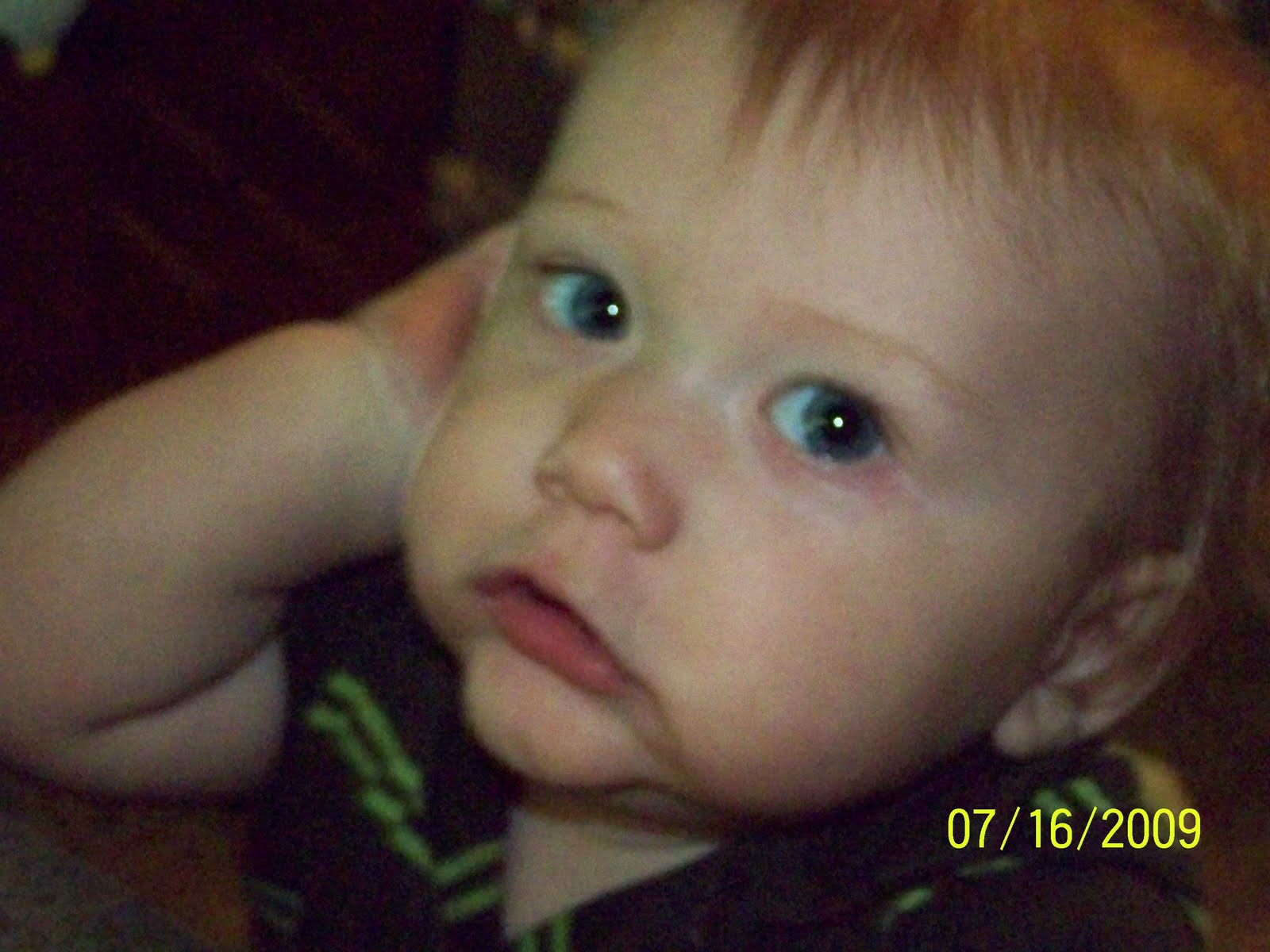
Last night I had a dream about Vincent.
He had gotten into a car crash and there was nothing the doctors could do so they let us take him home. When we got home he asked me if it would still hurt when he woke up. I told him that it wouldn't, he would feel good there. So he looked at me and said, "Then don't cry, I'm fine."

He had gotten into a car crash and there was nothing the doctors could do so they let us take him home. When we got home he asked me if it would still hurt when he woke up. I told him that it wouldn't, he would feel good there. So he looked at me and said, "Then don't cry, I'm fine."
Wednesday, April 14, 2010


A message from Vince

Today while i was taking Ricky, my brother, over to a friends house we were listening to a song. As we pulled up to the house he looked at me before he got out and said, "I feel like Vince (my nephew and his son) wrote this song to us, you know?" I thought about that and it really does. The song is don't forget by brett dennen
"Don't Forget"
Don't forget, don't forget
mhmm
that I believe in you
should you forget
should you forget
let me remind
that I am behind you
you were a secret, waiting to be found out
soon be what everyone is talking about
may you spread your love like laughter
find whatever you're after
open all your windows and let the music spill out
don't forget, don't forget
that I believe in you
should you forget
should you forget
let me remind you
that I am behind you
may you dance like rain upon a still lake
you make this world a beautiful place
no more crying, don't shun your light, keep shining
wipe your tears from your sweet face
don't forget, don't forget
that I believe in you
should you forget
should you forget
let me remind you
that I am behind you
don't be afraid should things happen to change
'cause change can be a beautiful thing
should things fall apart
be patient like a rainbow
life is loving and letting go


Sunday, April 11, 2010
The Signs of Child Abuse
I am not ready to tell my own story yet (I don't know if I'll ever be) however i do want to give information on the subject.
The first step in helping abused or neglected children is learning to recognize the signs of child abuse and neglect. The presence of a single sign does not prove child abuse is occurring in a family, but a closer look at the situation may be warranted when these signs appear repeatedly or in combination.If you do suspect a child is being harmed, reporting your suspicions may protect the child and get help for the family. Any concerned person can report suspicions of child abuse and neglect.

Signs of Abuse may include
In the child:
Shows sudden changes in behavior or school performance
Has not received help for physical or medical problems brought to the parents' attention
Has learning problems (or difficulty concentrating) that cannot be attributed to specific physical or psychological causes
Is always watchful, as though preparing for something bad to happen
Lacks adult supervision
Is overly compliant, passive, or withdrawn
Comes to school or other activities early, stays late, and does not want to go home
In the parent:
Shows little concern for the child
Denies the existence of—or blames the child for—the child's problems in school or at home
Asks teachers or other caregivers to use harsh physical discipline if the child misbehaves
Sees the child as entirely bad, worthless, or burdensome
Demands a level of physical or academic performance the child cannot achieve
Looks primarily to the child for care, attention, and satisfaction of emotional needs
In Both:
Rarely touch or look at each other
Consider their relationship entirely negative
State that they do not like each other
This is very common in all signs of abuse however there are many different types of abuse. For example, physical, sexual, emotional, and neglect. Physical and Sexual abuse may be the most severe but don't let that fool you. Emotional abuse and neglect are just as bad and may harm the child just as much.
Signs of...
Physical Abuse
Child:
Has unexplained burns, bites, bruises, broken bones, or black eyes
Has fading bruises or other marks noticeable after an absence from school
Seems frightened of the parents and protests or cries when it is time to go home
Shrinks at the approach of adults
Reports injury by a parent or another adult caregiver

Parent:
Offers conflicting, unconvincing, or no explanation for the child's injury
Describes the child as "evil," or in some other very negative way
Uses harsh physical discipline with the child
Has a history of abuse as a child
Neglect
Child:
Is frequently absent from school
Begs or steals food or money
Lacks needed medical or dental care, immunizations, or glasses
Is consistently dirty and has severe body odor
Lacks sufficient clothing for the weather
Abuses alcohol or other drugs
States that there is no one at home to provide care
Parent:
Appears to be indifferent to the child
Seems apathetic or depressed
Behaves irrationally or in a bizarre manner
Is abusing alcohol or other drugs

Signs of Sexual Abuse
Child:
Has difficulty walking or sitting
Suddenly refuses to change for gym or to participate in physical activities
Reports nightmares or bed wetting
Experiences a sudden change in appetite
Demonstrates bizarre, sophisticated, or unusual sexual knowledge or behavior
Becomes pregnant or contracts a venereal disease, particularly if under age 14
Runs away
Reports sexual abuse by a parent or another adult caregiver
Parent:
Is unduly protective of the child or severely limits the child's contact with other children, especially of the opposite sex
Is secretive and isolated
Is jealous or controlling with family members
Emotional Maltreatment
Child:
Shows extremes in behavior, such as overly compliant or demanding behavior, extreme passivity, or aggression
Is either inappropriately adult (parenting other children, for example) or inappropriately infantile (frequently rocking or head-banging, for example)
Is delayed in physical or emotional development
Has attempted suicide
Reports a lack of attachment to the parent
Parent:
Constantly blames, belittles, or berates the child
Is unconcerned about the child and refuses to consider offers of help for the child's problems
Overtly rejects the child

Child abuse obviously can't be completely erased. Someone somewhere will try it but it's our job as family, as friends, as neighbors, AS HUMANS to notice the signs and prevent long term damage or death.
The first step in helping abused or neglected children is learning to recognize the signs of child abuse and neglect. The presence of a single sign does not prove child abuse is occurring in a family, but a closer look at the situation may be warranted when these signs appear repeatedly or in combination.If you do suspect a child is being harmed, reporting your suspicions may protect the child and get help for the family. Any concerned person can report suspicions of child abuse and neglect.

Signs of Abuse may include
In the child:
Shows sudden changes in behavior or school performance
Has not received help for physical or medical problems brought to the parents' attention
Has learning problems (or difficulty concentrating) that cannot be attributed to specific physical or psychological causes
Is always watchful, as though preparing for something bad to happen
Lacks adult supervision
Is overly compliant, passive, or withdrawn
Comes to school or other activities early, stays late, and does not want to go home
In the parent:
Shows little concern for the child
Denies the existence of—or blames the child for—the child's problems in school or at home
Asks teachers or other caregivers to use harsh physical discipline if the child misbehaves
Sees the child as entirely bad, worthless, or burdensome
Demands a level of physical or academic performance the child cannot achieve
Looks primarily to the child for care, attention, and satisfaction of emotional needs
In Both:
Rarely touch or look at each other
Consider their relationship entirely negative
State that they do not like each other
This is very common in all signs of abuse however there are many different types of abuse. For example, physical, sexual, emotional, and neglect. Physical and Sexual abuse may be the most severe but don't let that fool you. Emotional abuse and neglect are just as bad and may harm the child just as much.
Signs of...
Physical Abuse
Child:
Has unexplained burns, bites, bruises, broken bones, or black eyes
Has fading bruises or other marks noticeable after an absence from school
Seems frightened of the parents and protests or cries when it is time to go home
Shrinks at the approach of adults
Reports injury by a parent or another adult caregiver

Parent:
Offers conflicting, unconvincing, or no explanation for the child's injury
Describes the child as "evil," or in some other very negative way
Uses harsh physical discipline with the child
Has a history of abuse as a child
Neglect
Child:
Is frequently absent from school
Begs or steals food or money
Lacks needed medical or dental care, immunizations, or glasses
Is consistently dirty and has severe body odor
Lacks sufficient clothing for the weather
Abuses alcohol or other drugs
States that there is no one at home to provide care
Parent:
Appears to be indifferent to the child
Seems apathetic or depressed
Behaves irrationally or in a bizarre manner
Is abusing alcohol or other drugs

Signs of Sexual Abuse
Child:
Has difficulty walking or sitting
Suddenly refuses to change for gym or to participate in physical activities
Reports nightmares or bed wetting
Experiences a sudden change in appetite
Demonstrates bizarre, sophisticated, or unusual sexual knowledge or behavior
Becomes pregnant or contracts a venereal disease, particularly if under age 14
Runs away
Reports sexual abuse by a parent or another adult caregiver
Parent:
Is unduly protective of the child or severely limits the child's contact with other children, especially of the opposite sex
Is secretive and isolated
Is jealous or controlling with family members
Emotional Maltreatment
Child:
Shows extremes in behavior, such as overly compliant or demanding behavior, extreme passivity, or aggression
Is either inappropriately adult (parenting other children, for example) or inappropriately infantile (frequently rocking or head-banging, for example)
Is delayed in physical or emotional development
Has attempted suicide
Reports a lack of attachment to the parent
Parent:
Constantly blames, belittles, or berates the child
Is unconcerned about the child and refuses to consider offers of help for the child's problems
Overtly rejects the child

Child abuse obviously can't be completely erased. Someone somewhere will try it but it's our job as family, as friends, as neighbors, AS HUMANS to notice the signs and prevent long term damage or death.
Friday, April 9, 2010
Love is all we have. Once that is forsaken, nothing else will help or save you.

I am new at this whole blogging thing. I've always kept a journal. I LOVE my journal. I'm still keeping one. I do find some of my thoughts still need to be all my own. My own private world.
However other thoughts may be better to share and get feedback on. I kept felling like that even if right now my reaction is to not talk to anyone but family. Funny how that works.
Basically I am starting this blog for my nephew, Vincent. He was cute, sweet, and just an amazing little boy. My chunka butt. He recently became another statistic. A victim in a cruel and unmerciful world. A victim of child abuse.
I want to make this for him. Maybe to help another family notice the signs before it's too late.

I am new at this whole blogging thing. I've always kept a journal. I LOVE my journal. I'm still keeping one. I do find some of my thoughts still need to be all my own. My own private world.
However other thoughts may be better to share and get feedback on. I kept felling like that even if right now my reaction is to not talk to anyone but family. Funny how that works.
Basically I am starting this blog for my nephew, Vincent. He was cute, sweet, and just an amazing little boy. My chunka butt. He recently became another statistic. A victim in a cruel and unmerciful world. A victim of child abuse.
I want to make this for him. Maybe to help another family notice the signs before it's too late.
Subscribe to:
Posts (Atom)


